
How to prepare for the Step 3 USMLE
Let’s start by understanding exactly what Step 3 is.
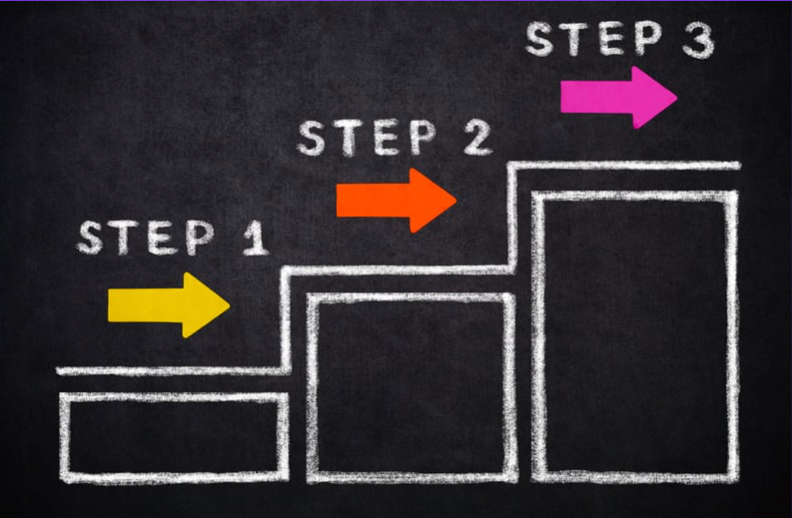
If you already know about Step 1 and Step 2CK, you probably know that the last USMLE exam is Step 3. The USMLE Step 3 is the final stage of the series of exams required for medical certification in the United States.
Unlike Steps 1 and 2CK, Step 3 can only be taken in the U.S. and requires the candidate to already have the ECFMG Certificate, meaning you must have completed Step 1, Step 2CK, and OET (for reference: this post was written in October 2024).
Step 3 assesses your ability to apply medical knowledge in real clinical scenarios and is the final step before obtaining full medical licensure in the U.S.
How does Step 3 work?
The exam takes place over two days, each with a specific focus:
Day 1:
Approximately 233 multiple-choice questions divided into six blocks of 38–39 questions.
This day tests your clinical knowledge and evidence-based medicine skills.
Day 2:
Around 180 multiple-choice questions and 13 interactive Clinical Case Simulations (CCS), where you’ll manage patients in a simulated environment.
- Day 1 structure: 232 multiple-choice items divided into 6 blocks of 38–39 questions, with 60 minutes per block. The session lasts about 7 hours, including 45 minutes of break time and an optional 5-minute tutorial. Break time can be extended if you finish a block or the tutorial early.
- Day 2 structure: About 9 hours total. It begins with an optional 5-minute tutorial, followed by 180 multiple-choice questions (6 blocks of 30 questions, 45 minutes per block). Then, a 7-minute CCS tutorial, followed by 13 case simulations, each lasting up to 10 or 20 minutes. You’ll have at least 45 minutes of break time, and there’s an optional end-of-day survey.
The Step 3 not only tests your theoretical knowledge but also your practical ability to make clinical decisions in real time.
The relationship between Step 3 and the previous Steps
A major advantage for those who’ve already completed Steps 1 and 2CK is that much of the content is reviewed in Step 3.
This makes studying more dynamic and lighter since many concepts are already familiar.
The focus now is on consolidating knowledge and applying it in practical clinical scenarios, making preparation more efficient and faster.
The importance of the right study materials
Choosing the right resources is crucial for success on Step 3.
Here are the most recommended ones:
- UWorld: Offers a question bank of about 2,000 detailed questions simulating the exam format. One full pass is usually enough for most people. For practice exams, UWSA1 and UWSA2 are generally sufficient to assess readiness.
- Anki: If you don’t yet know what Anki is, it’s time to learn! Using spaced-repetition flashcards is an excellent way to review and retain key concepts. You can use the AnKing deck or another popular one called Medicine, found on Reddit. Many students, myself included, used both with great results.
- Computer-based Case Simulations (CCS Cases): For the second day of the exam, it’s essential to practice with clinical simulation cases. It’s recommended not to use UWorld’s cases for this. Instead, use the CCS Cases platform, which provides amazing feedback and offers cases that are very similar to those you’ll see on test day — boosting your confidence and familiarity with the format.
Final tip: integrate all materials from the beginning
It’s crucial to start using all these resources early in your preparation.
Combining UWorld, Anki, and CCS Cases gives you a comprehensive approach — ensuring you review theoretical content and develop the practical skills needed for the exam.
Organize your study plan to balance theoretical question practice with clinical case simulations daily.
This will allow you to face both Step 3 test days with confidence and competence.
Good luck — you’ve got this!