
A detailed breakdown of the USMLE process, study materials, and Match-related expenses for applying to a US residency position!
When we talk about becoming a doctor in the United States in this post, we are referring to the process of validating your medical degree (graduation) and applying for a residency position in the U.S. Here, we’ll explain and break down the current costs (all values in USD) involved in becoming a doctor in the U.S. (as of February 2025). Keep in mind that several factors can make the process more expensive than the fees listed here.
Also remember: this investment is not paid all at once. This is a process that typically takes 1.5 to 2 years, and if done during medical school, it may take even longer. Keep that in mind.
The revalidation process begins with:
1. Initial Bureaucracy
You will register on the ECFMG website (make sure you are eligible and that your institution has a Sponsor Note before doing so — we have a Blog post explaining how to check). To complete your registration, you must pay the Application for ECFMG Certification fee of $160.
After registering, you move to the next stage:
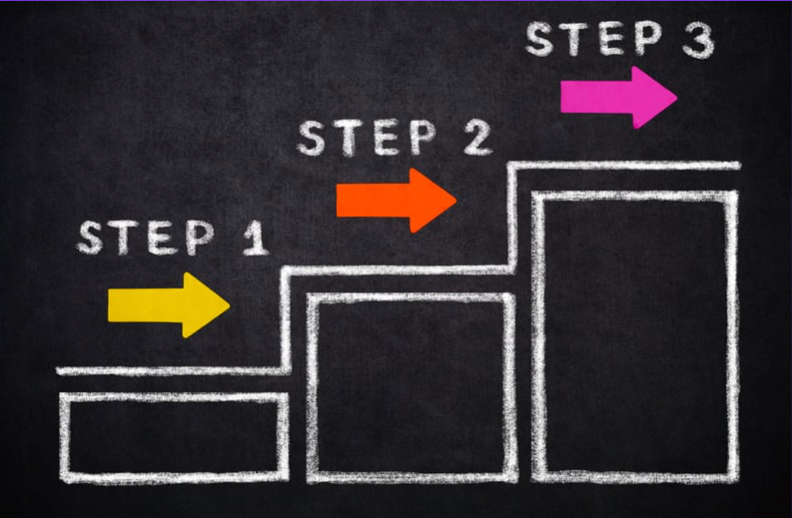
2. The Steps
The main study tools are UWorld ($559 + fees for 1 year of access for Step 1, and the same for Step 2CK), and Anki (free for Android and desktop, $24.99 for iOS). These two are the foundation of USMLE prep.
Other optional materials include:
- AnkiHub (~$66/year)
- First Aid (~$61.75 for Step 1 and ~$72 for Step 2CK)
- Pathoma ($84.95–$119.95)
- Boards & Beyond ($89–$399)
These are EXTRA resources — you don’t necessarily need them. Don’t buy everything before understanding what each tool is for and whether you actually need it.
NBMEs (practice exams for Step 1) cost ~$62 each (you will take more than one, plus UWSA which is included with UWorld’s 1-year subscription — we also have a Blog post explaining these practice tests).
When you’re ready to take Step 1, you must pay for the exam.
- Step 1 official fee: $1,020
- If you take the exam outside the U.S. or Canada: additional $205 fee
- Step 2CK has the same official cost ($1,020) and an international fee of $230
Two important notes:
• If you are already graduated, you will need official English translations of your documents at the time you register for the exam. Include translation costs in your budget. If you don’t provide translations, ECFMG will charge $250 to translate documents themselves (usually more expensive than hiring a translator).
• If you are still in school, these documents will be required later when you graduate and apply for the Match.
• Extending your eligibility period or rescheduling your exam will incur additional fees.
CMS Forms (Clinical Science Mastery Series Self-Assessments) for Step 2CK cost $21 each.
At this stage, you will also likely take the OET (Occupational English Test) — ~$455 (+ fees).
After finishing the Steps and the OET, you reach the final stage: the residency application process in the U.S.! By now, you’ve already spent months studying, likely completed your U.S. clinical experience (more info at the end), and invested most of the process cost.
Note
Step 3 is not required to apply for residency. You can take it during residency. Some applicants choose to take it beforehand for strategic reasons (we can discuss this in another post). Step 3 must be taken in person in the U.S., so consider that cost if you choose to take it before the Match.
- Step 3 fee: $935
- Study materials: UWorld Step 3 (~$579) + CCS Cases ($70–$100) (If you’re a Jornada Médica USA student, we recommend reading Dr. Letícia’s post on Step 3 prep.)
You might now be wondering:
“Okay, but don’t I also need clinical experience to become a doctor in the U.S.?”
Yes! US Clinical Experience (USCE) — Observerships, Clerkships, Electives, Sub-Is — is important (almost always essential), and most of these rotations are paid. Costs vary widely depending on the program, specific requirements (insurance, vaccinations, tests), transportation, food, accommodation… It’s extremely difficult (if not impossible) to calculate an exact cost because it varies so much. But these costs are significant, so keep this in mind.
Look at program websites (or, if you’re a Scrubs Community student, check the Rotations Hub or ask colleagues who have done them) to start understanding price ranges. This also helps you look for cheaper cities or programs.
A broad cost estimate:
- Passport and B1/B2 visa, if you don’t already have them
- Rotation fees: $0–$5,000 per rotation (many applicants complete more than one)
- Housing + food: $1,000+/month (varies widely by city)
- TOEFL: ~$250 (required by many programs to confirm English proficiency)
- Health insurance: $100–$300/month
3. Final Stage
- ECFMG Certification/Pathway: ~$925
- ERAS Token: ~$165
- USMLE Transcript for ERAS: ~$80
- J-1 Visa Sponsorship Application: ~$370
- Plus the mandatory $220 SEVIS fee for first-time J-1 applicants
Residency program application fees:
- ~$11 per program for the first 30 programs
- ~$30 per program for each additional program (IMGs commonly apply to 100+ programs)
- NRMP Token: ~$70 (Extra fees may apply; some specialties have additional match processes.)
These are the main fees. Additional costs may apply depending on your situation, such as Couples Match, ranking more than 100 programs (common for IMGs), etc. Also remember that taxes are usually added to most purchases in the U.S.
I tried to break down the main fees, but keep in mind there may be additional costs not listed here.
Below are some important sites where you can check updated fees:
First Aid Step 1 Book: Amazon US
First Aid Step 2CK Book: Amazon US
If you have any questions, feel free to leave them in the comments, we’re always keeping an eye out!
See you next time!